Regular price
$19.75 USD
Regular price
$19.75 USD
Sale price
$49.00 USD
Unit price
per
SAVE
$29.25 USD
Sold out


Couldn't load pickup availability
Order will arrive by [end_date] with free shipping
Sara A.
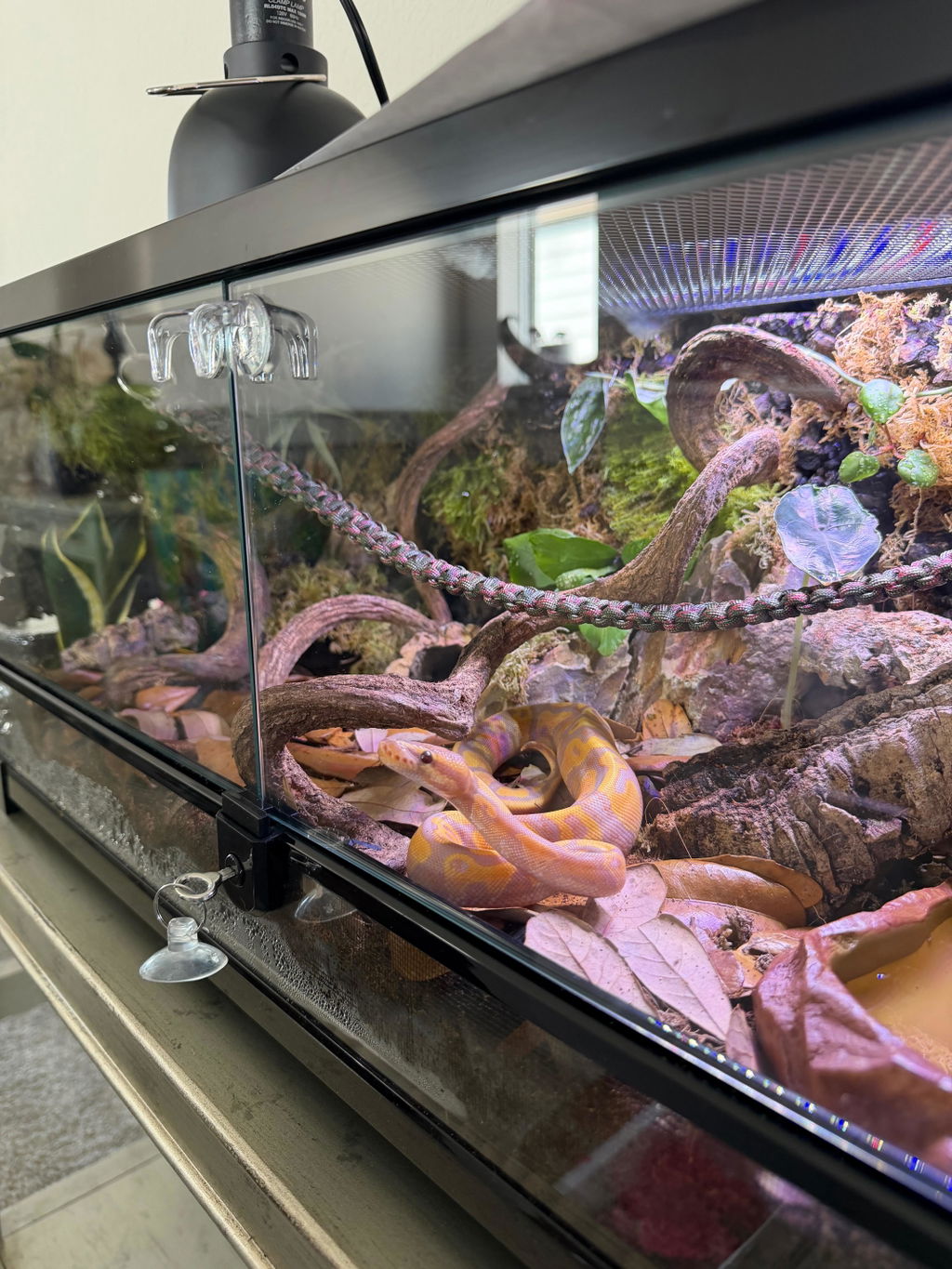
"Bought it thinking it was overpriced bark. I don't know what changed first, the appetite or the attitude. Either way my crested gecko is a different animal since I added carbonized cork"
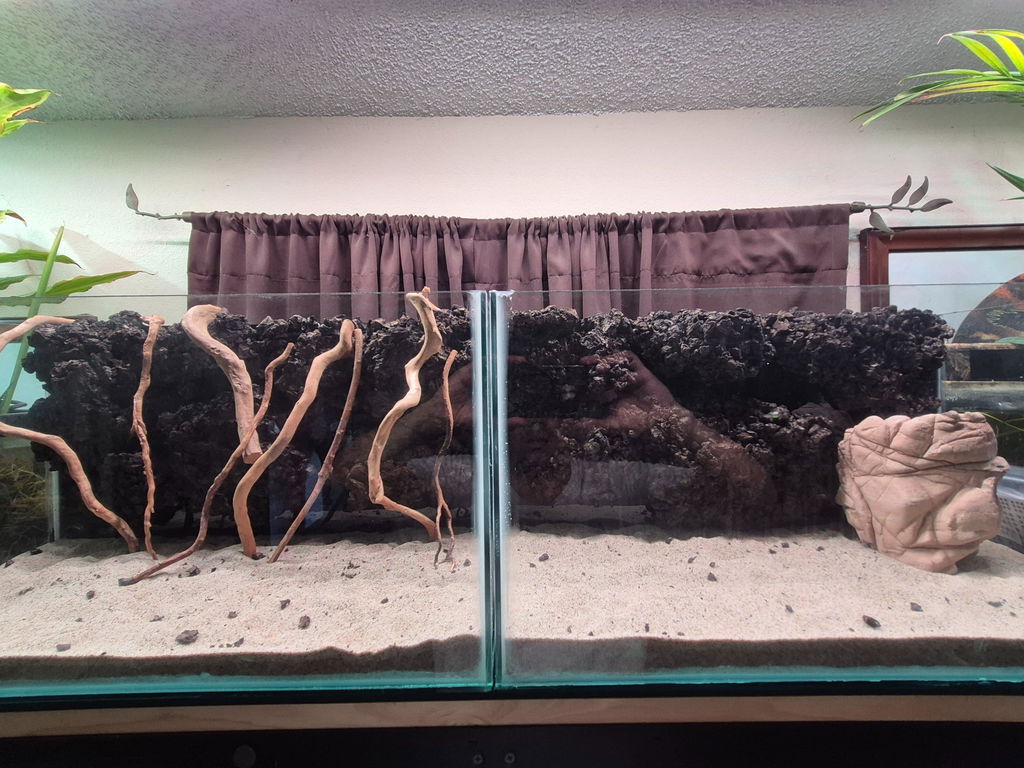
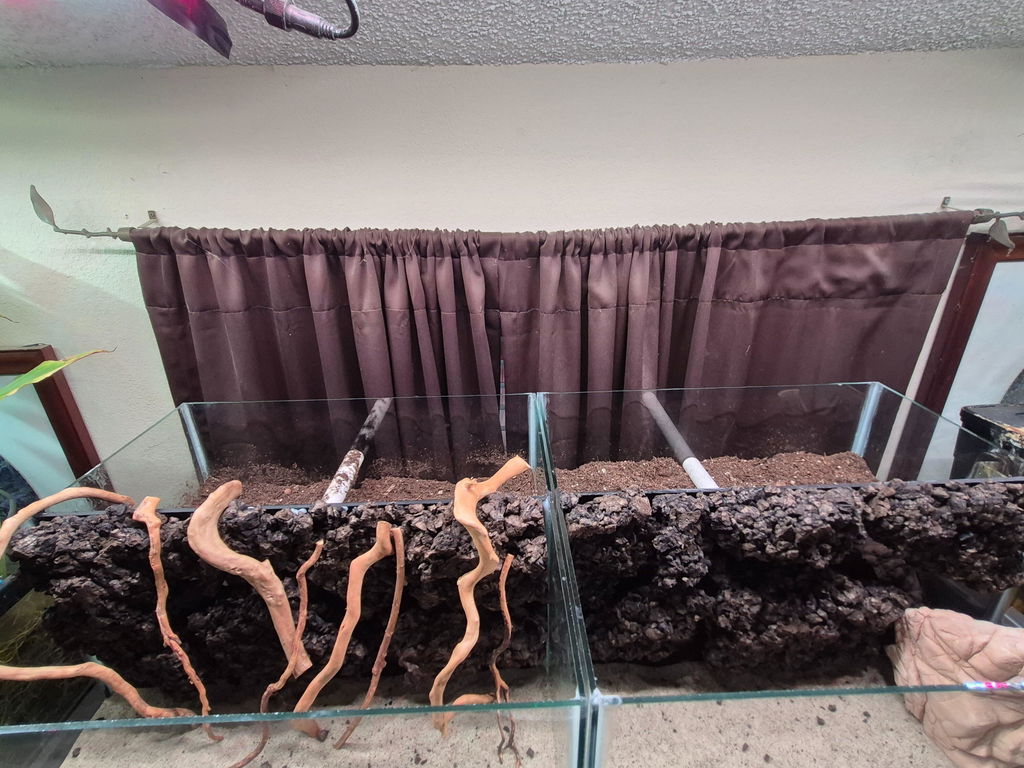
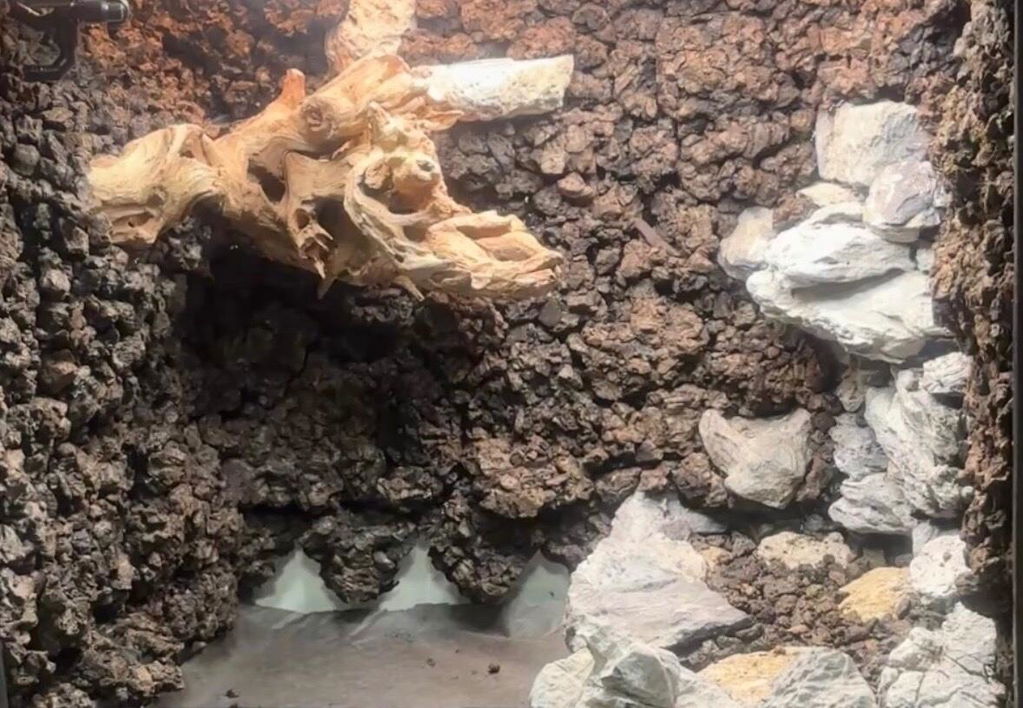
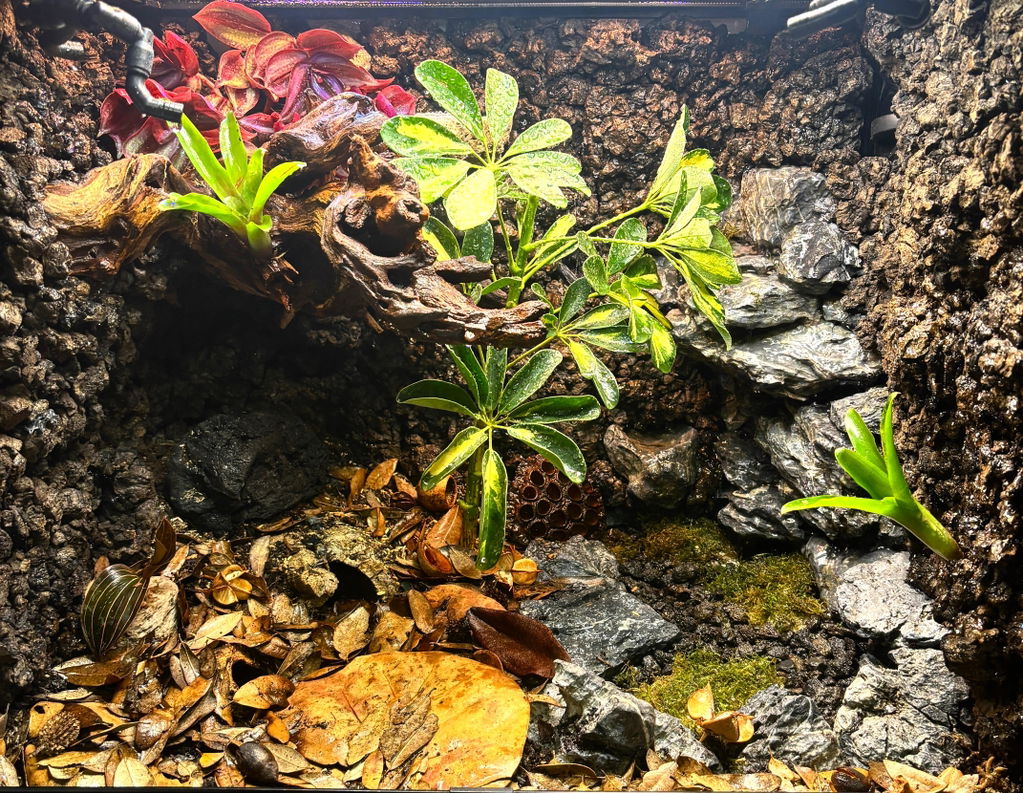
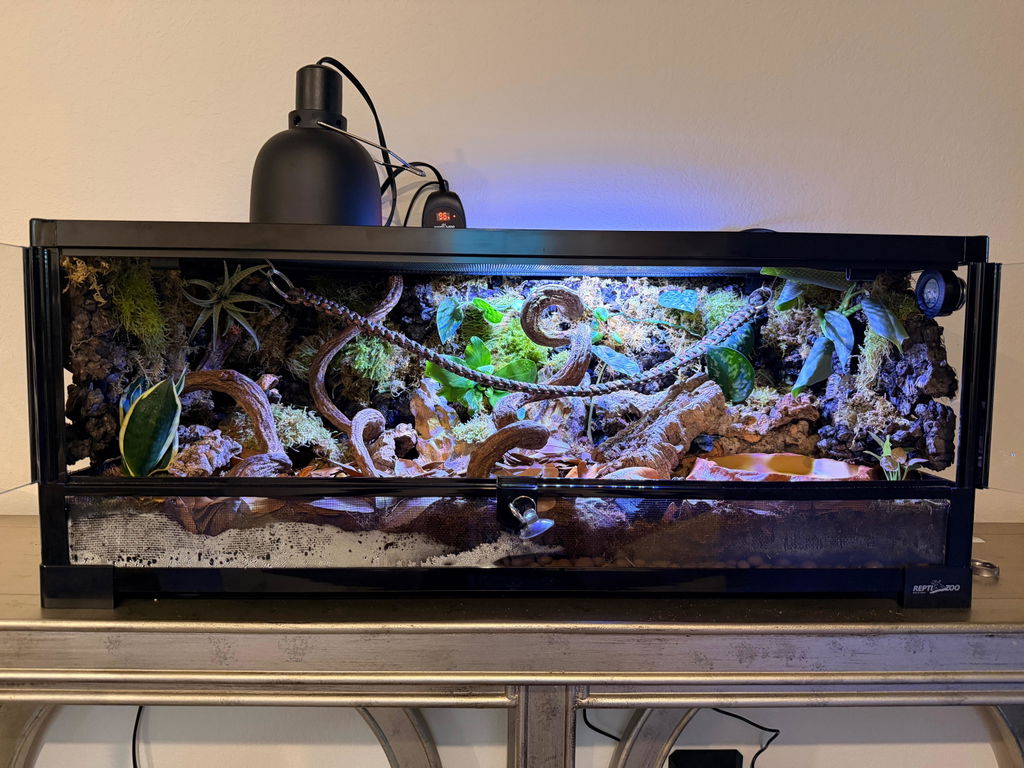
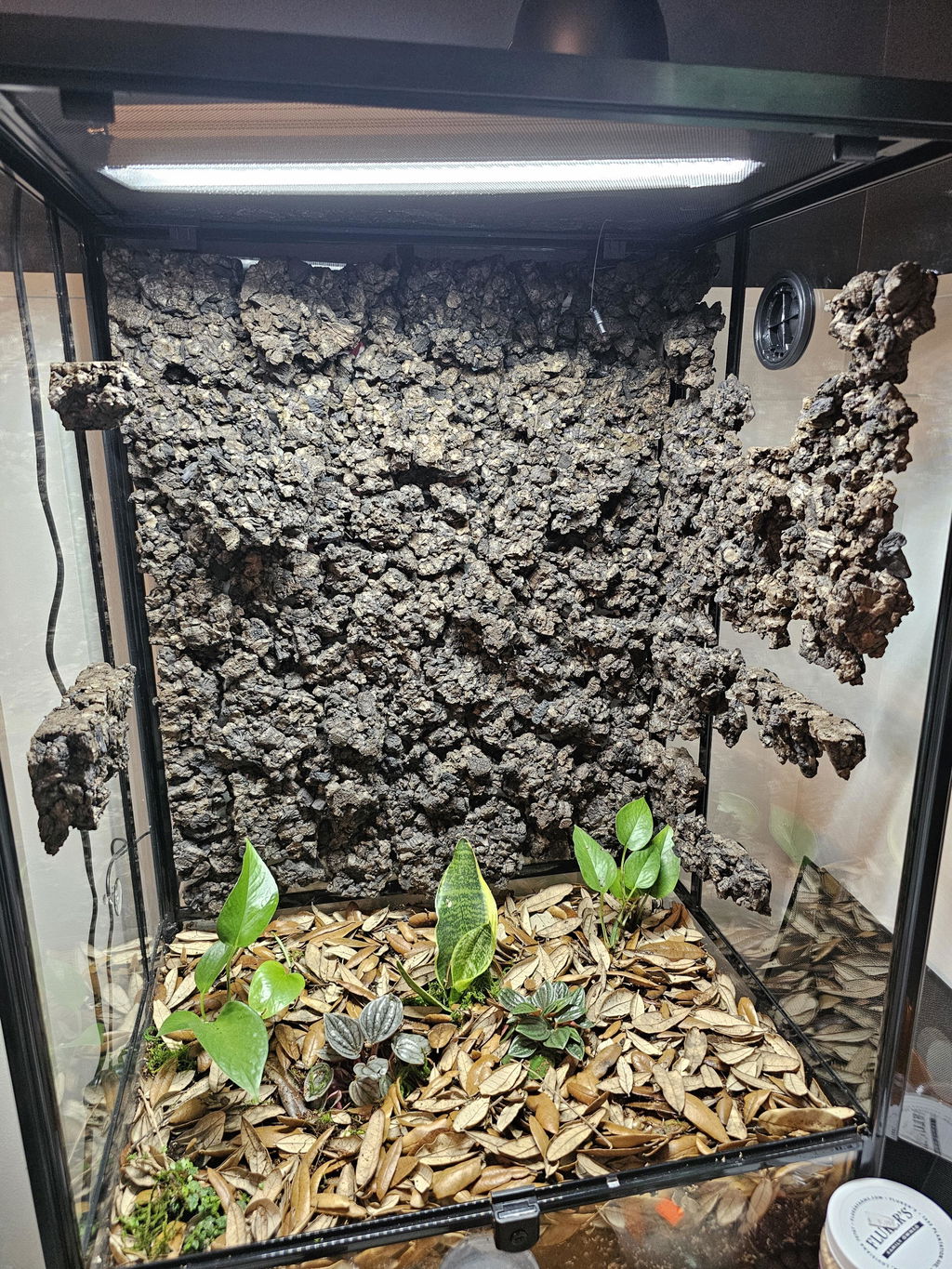
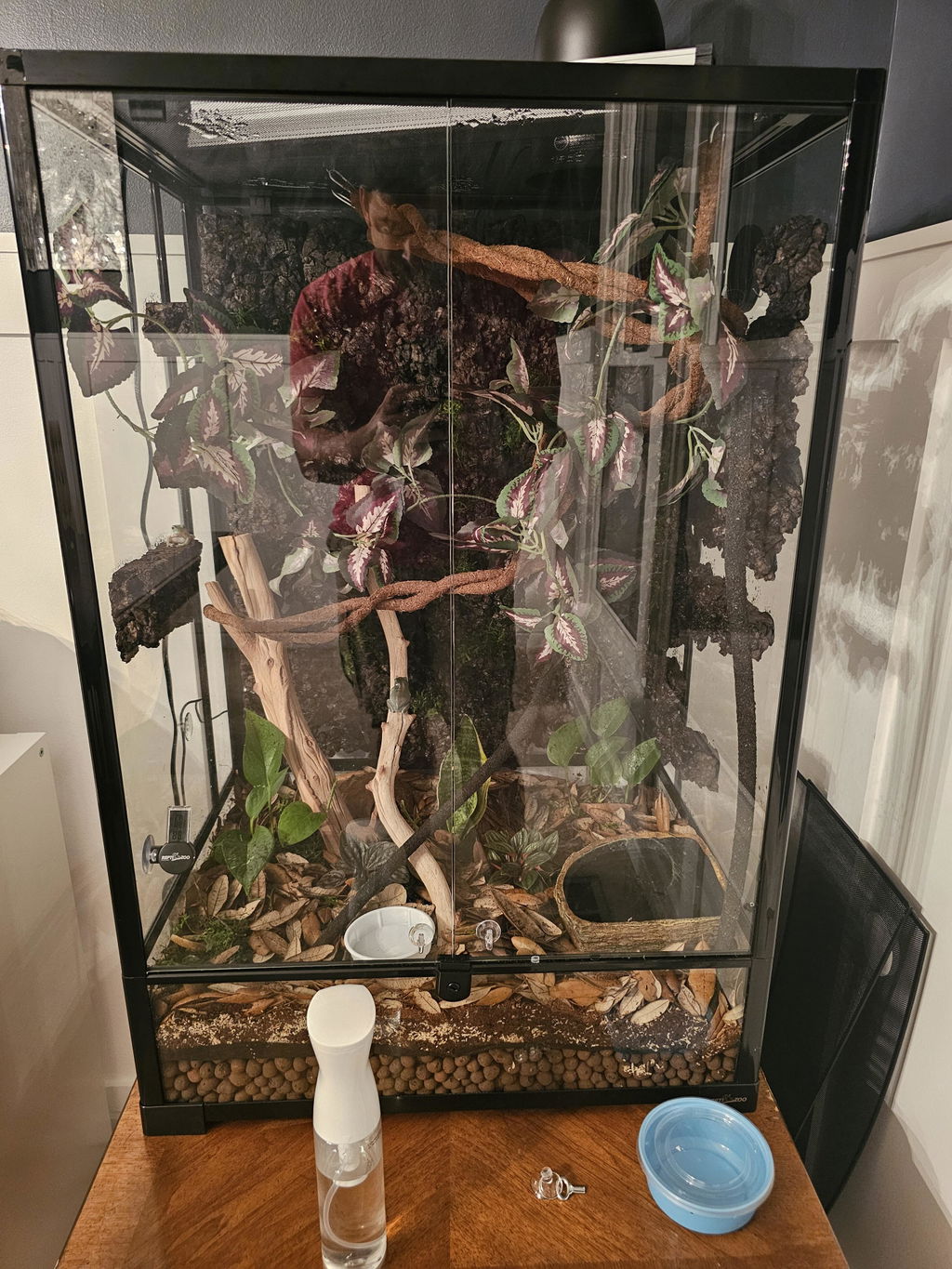
Three weeks from now, your enclosure could look like it was built by someone who's been doing this for years..
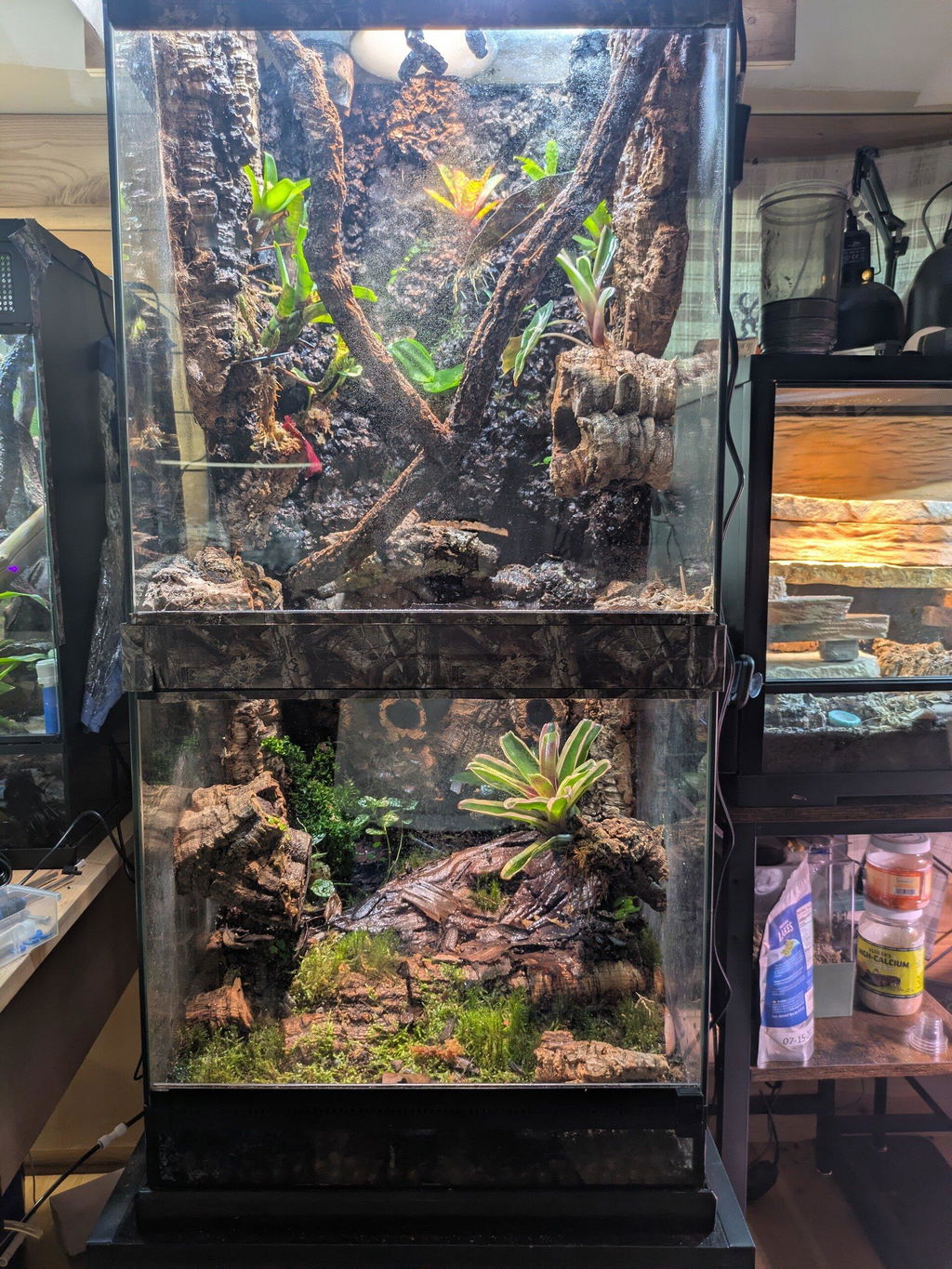
Deep charcoal texture. Plants rooting directly into the wall.
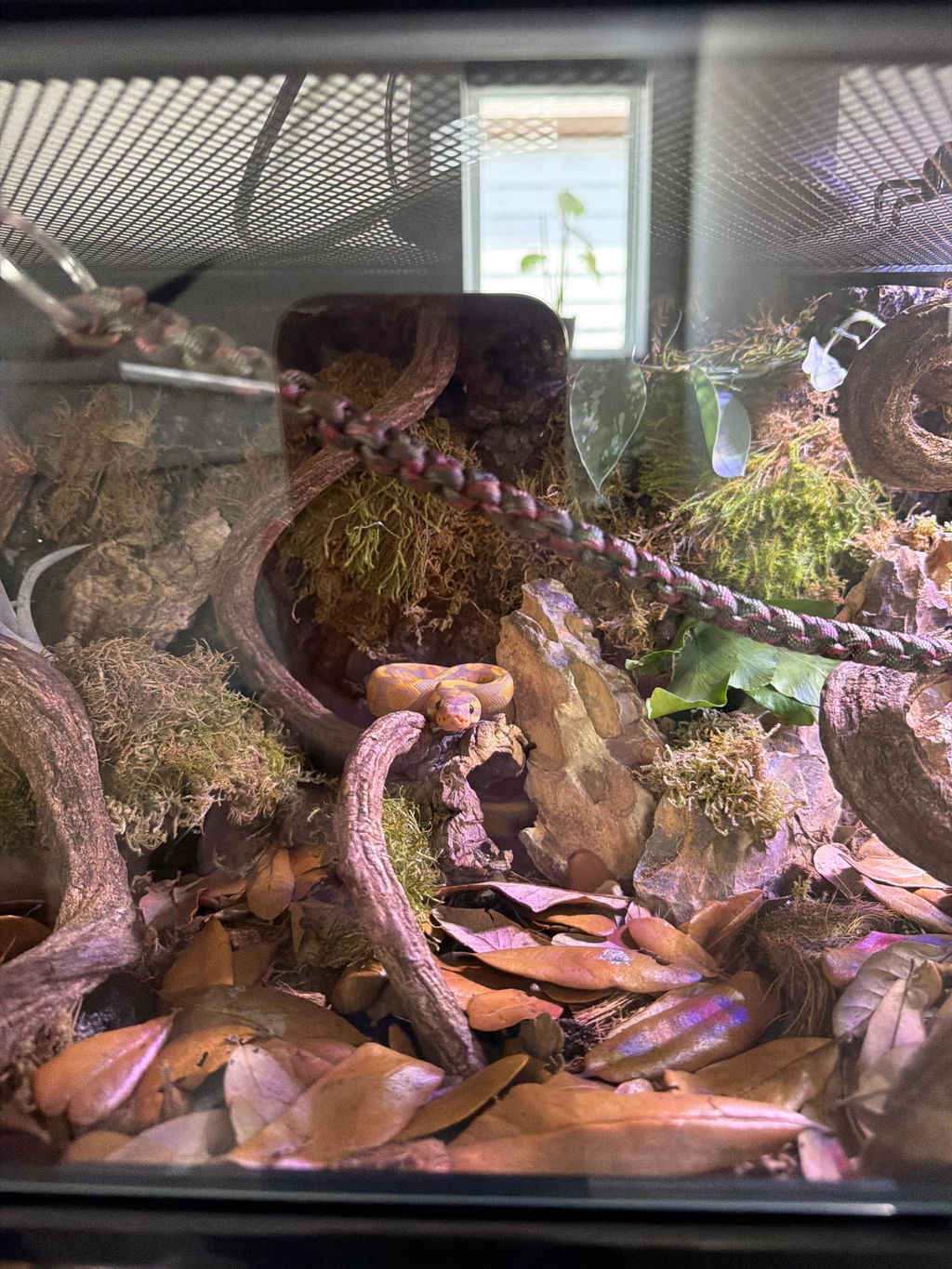
Your reptile climbs and explores on every surface like it owns the place.
That's what carbonized cork chunks can do. And it takes under an hour to install 24hr to fully cure.
No carving. No drylok. No two-day curing process.
Just silicone the chunks to the wall in whatever layout feels right, tuck your plants into the gaps, and you're done.
The cork naturally absorbs and releases moisture between mistings so your humidity stabilizes on its own instead of crashing every few hours.
Plants root directly into the surface without planter pockets or extra hardware. And your reptile actually uses the background instead of ignoring it.
It's not just decoration. It's a functional part of your ecosystem.
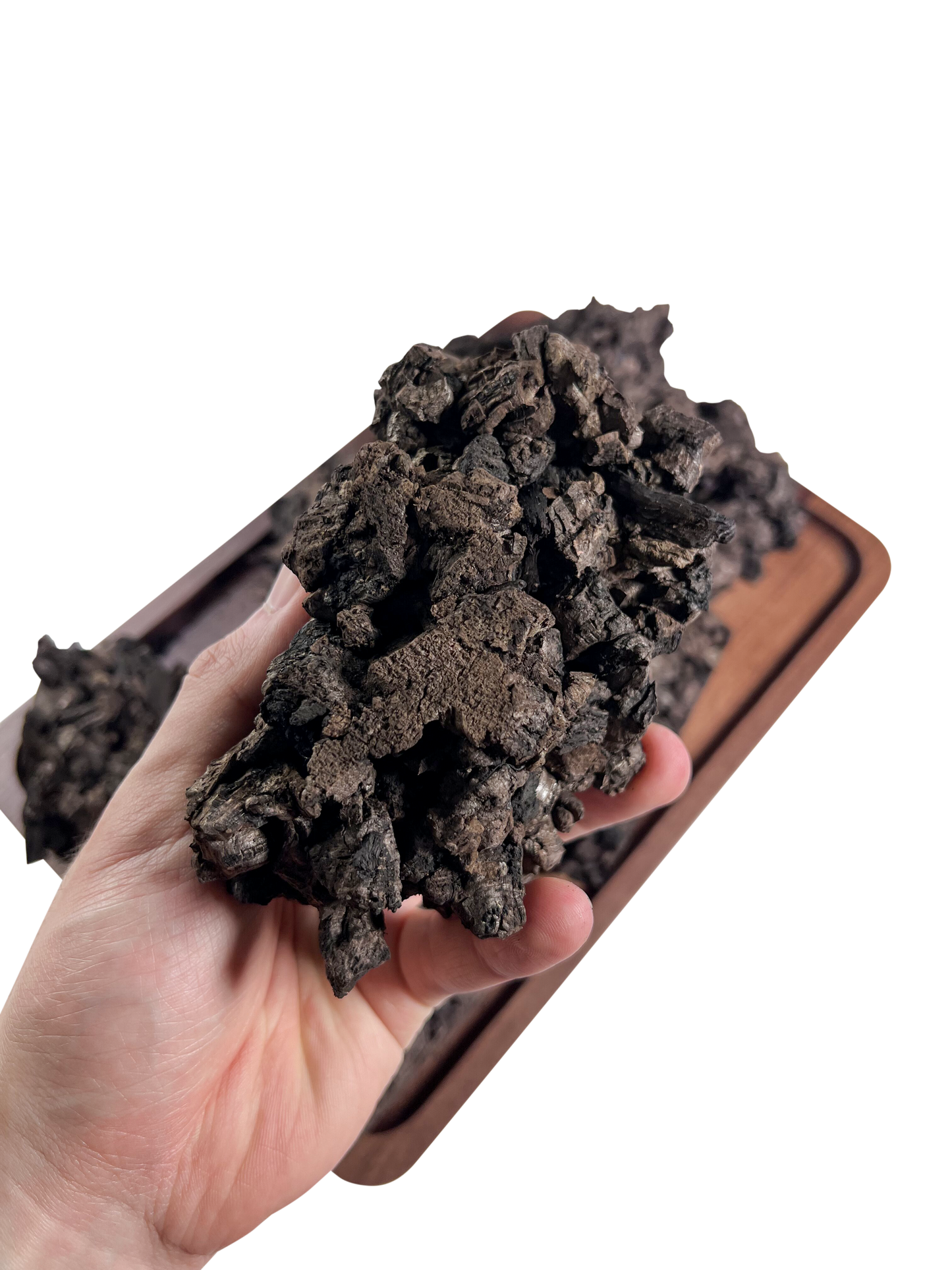
**Please note that the product image displayed on the page may slightly differ in shape or appearance from the item you receive. This is because natural wood shapes and patterns vary, and we have limited control over these variations.
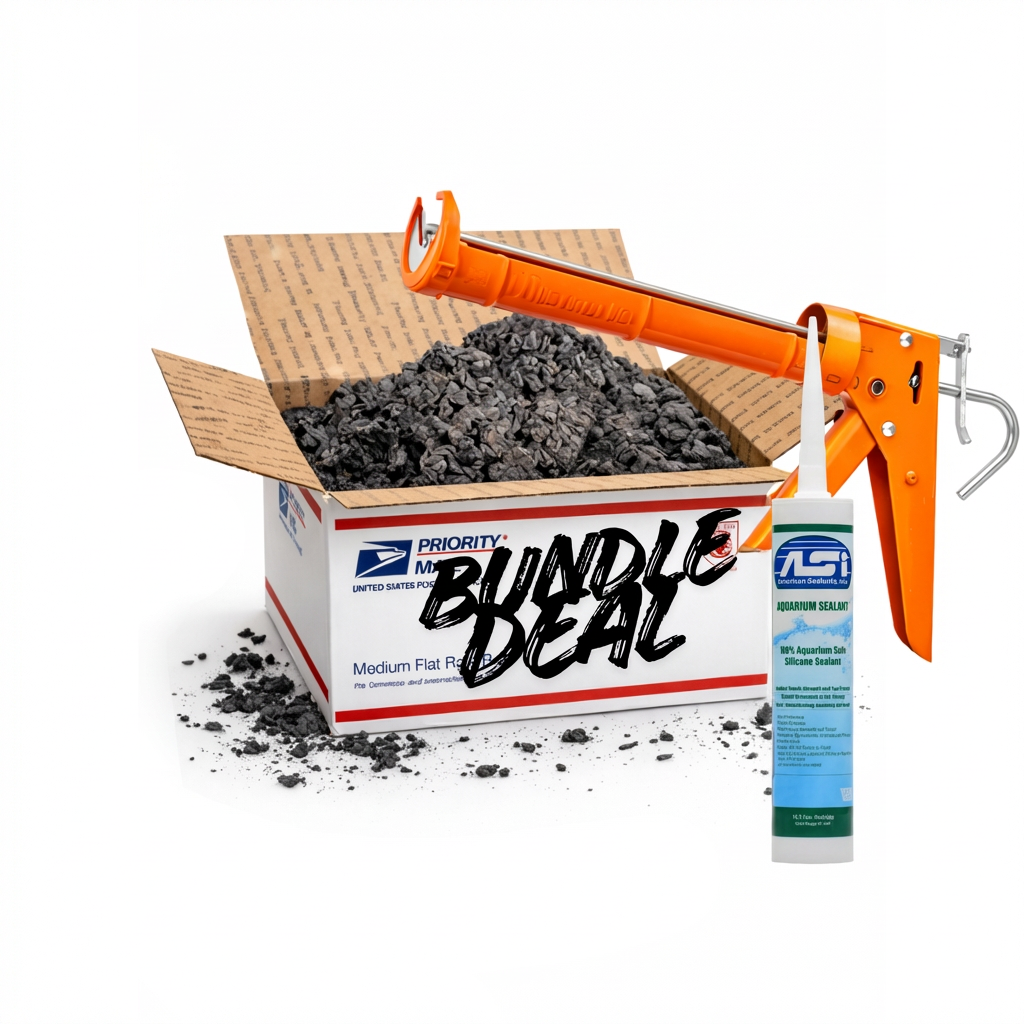
BUNDLE DEAL: This bundle deal includes silicone, a gun applicator, and charcoal cork, all together in one convenient package.
Please apply silicone and press it against the wall for a secure installation.
After applying silicone to the wall surfaces, allow 24–48 hours to fully cure before misting or adding animals.
-
**Please note that the product image displayed on the page may slightly differ in shape or appearance from the item you receive. This is because natural wood shapes and patterns vary, and we have limited control over these variations.
Due to high order volume, there may be a slight delay in dispatch. Rest assured, all orders ship within 24–48 hours. Depending on your location, delivery typically takes 5–7 business days.
We ship internationally, though a small number of remote islands are excluded. If your country appears at checkout, we ship there.

Carbonized Charcoal Cork
Regular price
$19.75 USD
Regular price
$19.75 USD
Sale price
$49.00 USD
Unit price
per
SAVE
$29.25 USD
Sold out



95%
of reptiles chose real over fake
In controlled tests, reptiles and frogs consistently chose cork setups and showed far fewer stress behaviors
70%
Perfect humidity range. Cork holds it.
Bioactive tanks need stable humidity to survive. Cork absorbs and slowly releases moisture.
33%
of captives show chronic stress
Stress markers dropped when animals moved from bare plastic to natural cork. The environment changes everything.
89%
of zoos rank natural enrichment #1
Across 76 US zoological institutions, natural bark and cork topped the list for animal welfare.
WHY THOUSANDS OF PARENTS SWITCHED TO GECKOPIA
Geckopia vs Spray Foam
Discover why reptile parents prefer Geckopia over regular spray foams
 Our Product
 Other Products
Easy to use
100% natural material
Supports live plants & isopods
Looks natural
Lasts for years
Holds humidity
The Easiest Way to Transform Your Reptile Terrarium
A natural upgrade that supports healthier behavior, lower stress, and a thriving bioactive ecosystem.

Your Animal Is Telling You Something.
Glass Surfing Isn't Normal.
We've all seen it, a gecko pacing the glass, scratching at the corners, never settling. That's chronic stress. Research across 76 US zoos confirmed that natural cork and bark is the #1 thing that fixes it. Not a bigger tank. Not a new light. The material inside.
- Animals in naturalistic setups show dramatically lower stress level
- Cork gives them grip, hides, and texture they're hardwired to need
- Most keepers notice the difference within the first day

The Perfect Humidity
Your Bioactive Lives or Dies by Humidity. Cork Handles It.
Ask anyone in the bioactive hobby, and maintaining 60–80% without constant misting is the hardest part.
Cork's cellular structure absorbs moisture and releases it slowly, acting like a passive humidity buffer inside your build. No humidifier. No guessing. Just stable conditions.
- Prevents the humidity crashes that stress your animals and kill your plants
- Keeps isopods and springtails thriving in the substrate
- Works with your setup, not against it

Real Instinct Behavior
You Don't Have to Train Them to Use It.
Unlike ledges and fake hides that sit untouched for weeks, cork gets used immediately. Reptiles & Frogs find a perch. Dart frogs disappear into the gaps.
It's not a decoration, it becomes part of how they live in the tank.
- Arboreal species climb and perch without hesitation
- Fossorial and terrestrial animals hide and forage naturally
- No adjustment period, they know what cork is
You got questions, we got answers
Since cork bark is a natural material, the sizes may vary.
14 oz → covers approx 24x12" (good for small enclosures)
21 oz → covers approx 36x12" (good for 18x18x24 and up)
Great question! It's as simple as it sounds: just apply the silicone, and you're done!
Remove the Flex Bridge from the enclosure and rinse it with warm water. For deeper cleaning, use a reptile-safe disinfectant. Allow it to dry fully before returning it to the enclosure. Do not soak for extended periods.
Yes. Carbonized cork is naturally water-resistant and won't break down in tropical enclosures the way raw foam or untreated wood will. The carbonization process makes it even more durable by increasing its resistance to moisture, rot, and decay. Builders have been running these backgrounds in high-humidity setups for months without any degradation. It absorbs some moisture and releases it slowly, which actually helps stabilize your humidity rather than fighting it.
No. The carbonization process is what sets this apart from raw cork or foam backgrounds.
The high-heat treatment burns off the organic material that mold feeds on, making the cork highly resistant to mold and fungal growth even in constantly humid enclosures.
If you do see a small white patch early on, it's almost always a harmless surface bloom that springtails will take care of within days, not the persistent mold you'd see on untreated materials.
Yes. Moss, pothos, creeping fig, and other vining or epiphytic plants will root directly into the cork surface over time.
You can tuck small plants into the gaps between chunks or press a bit of sphagnum moss into the seams to give them a head start.
No planter pockets or extra hardware needed just mist regularly and let the plants do their thing. Most builders see new root growth within a few weeks.