


We Proudly Give Back To Our Community!


Why Carbonized Cork Chunks?
Carbonized cork is nature's answer to the vivarium builder's biggest problems. Heat-processed for durability, porous for breathability, and built to outlast every other material in your setup.
- Absorbs up to 40% of its weight in moisture, then releases it slowly.
- Springtails colonize cork 2x faster than untreated wood.
- 100% natural and no toxic chemicals, no treatments.
- Lasts 3+ years without rotting, fading, or breaking down.

The Mold is Slowly Destroying Your Bioactive Setup
Most vivarium, hold moisture in all the wrong places. That trapped moisture turns into mold and once it starts, it doesn't stop. Your reptile breathes those spores in every day. Their stress goes up. Their health goes down. And you're stuck tearing down and rebuilding the whole setup again.
- Carbonized surface is up to 3x harder than untreated cork.
- Your cleanup crew stays active.
- Stable humidity keeps your reptile calmer and healthier over time.
- Works naturally with cork, soil, and moss in any bioactive setup.
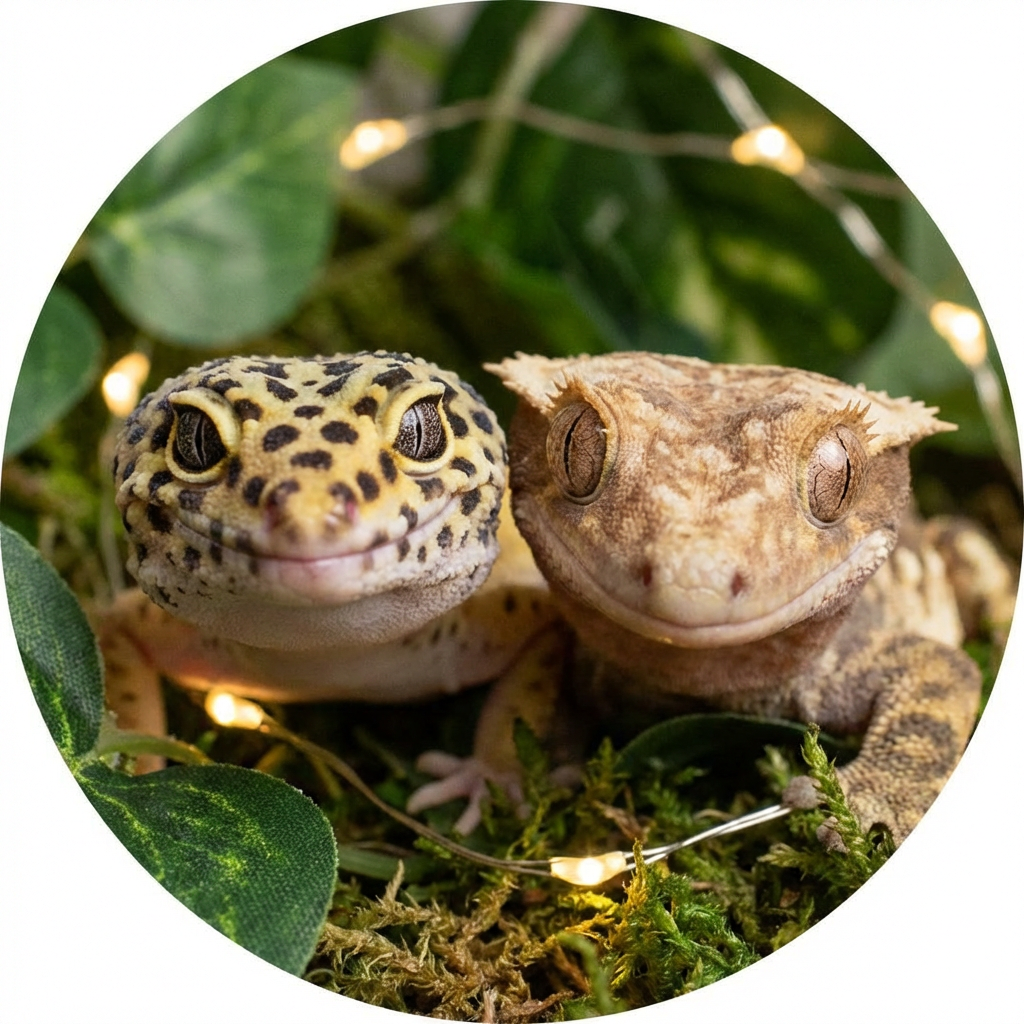
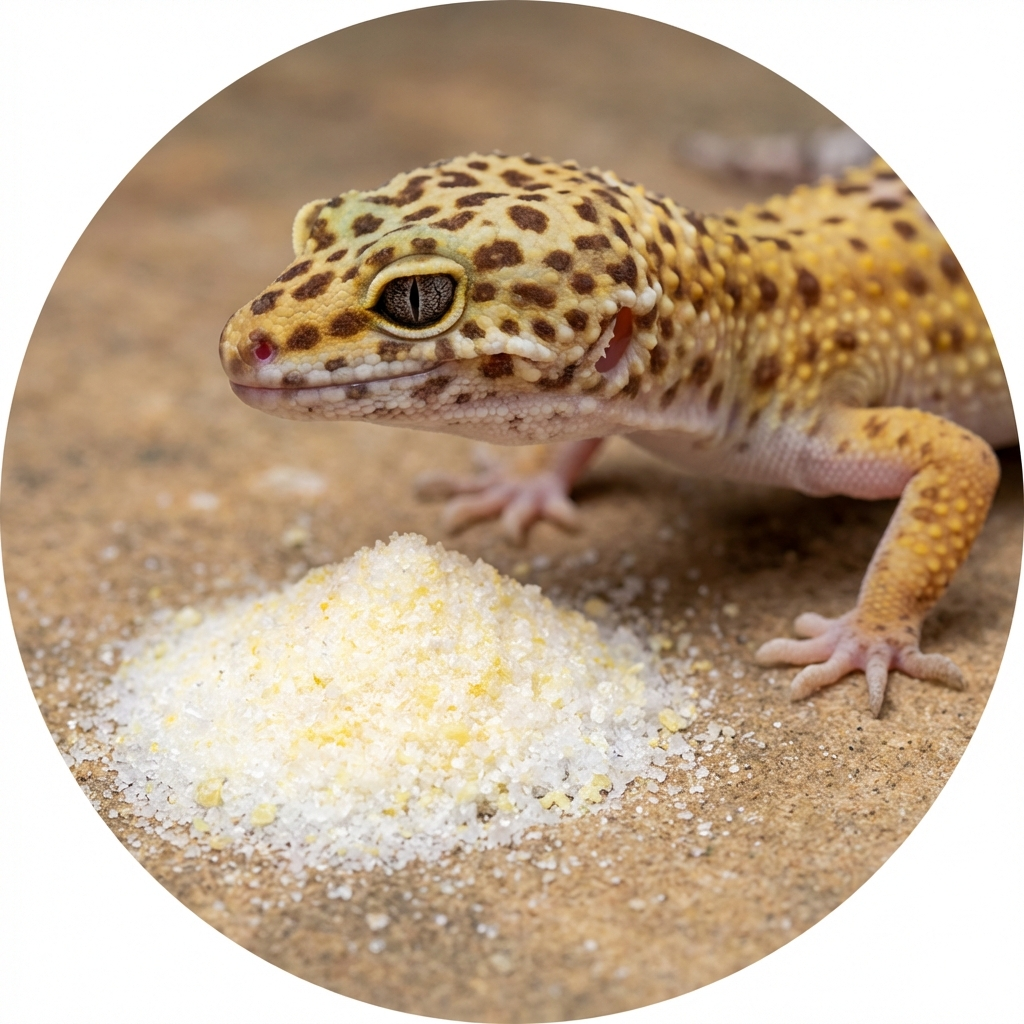
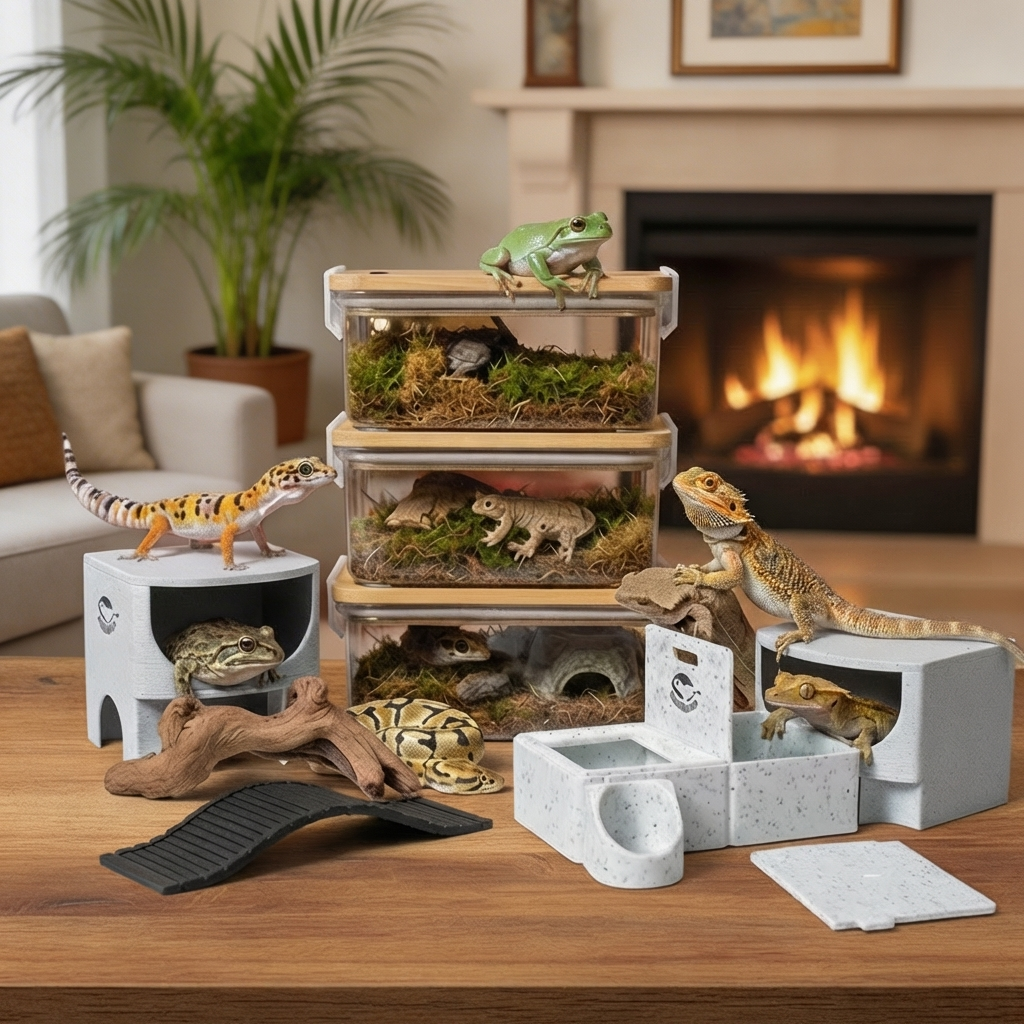
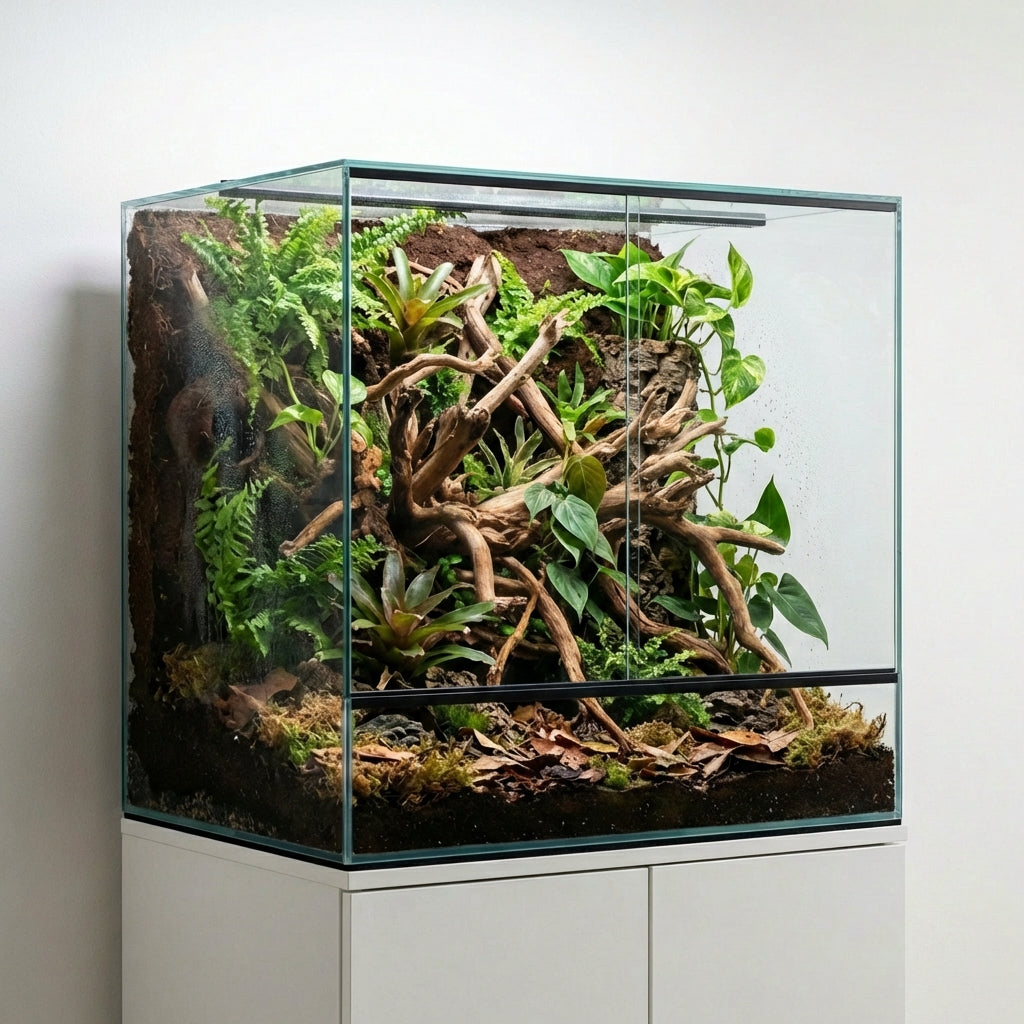
WHY THOUSANDS OF PARENTS SWITCHED TO GECKOPIA
Frequently Asked Questions
Got questions? We’ve got answers!
Since cork bark is a natural material, the sizes may vary.
14 oz → covers approx 24x12" (good for small enclosures)
21 oz → covers approx 36x12" (good for 18x18x24 and up)
Great question! It's as simple as it sounds: just apply the silicone, and you're done!
Yes. Carbonized cork is naturally water-resistant and won't break down in tropical enclosures the way raw foam or untreated wood will. The carbonization process makes it even more durable by increasing its resistance to moisture, rot, and decay. Builders have been running these backgrounds in high-humidity setups for months without any degradation. It absorbs some moisture and releases it slowly, which actually helps stabilize your humidity rather than fighting it.Does it mold? Can I plant directly
No. The carbonization process is what sets this apart from raw cork or foam backgrounds.
The high-heat treatment burns off the organic material that mold feeds on, making the cork highly resistant to mold and fungal growth even in constantly humid enclosures.
If you do see a small white patch early on, it's almost always a harmless surface bloom that springtails will take care of within days, not the persistent mold you'd see on untreated materials.
Yes. Moss, pothos, creeping fig, and other vining or epiphytic plants will root directly into the cork surface over time.You can tuck small plants into the gaps between chunks or press a bit of sphagnum moss into the seams to give them a head start.No planter pockets or extra hardware needed just mist regularly and let the plants do their thing. Most builders see new root growth within a few weeks.


Where 20,000+ Reptile Parents Started
The solution isn't just a prettier tank - it's an ecosystem that actually works.
Shop Our Bestsellers
What Geckopia Parents Say
Reviews from happy reptile parents